
.png)
Role
Target Audience
Duration
Tools
Devices

Overview
Whitminister House
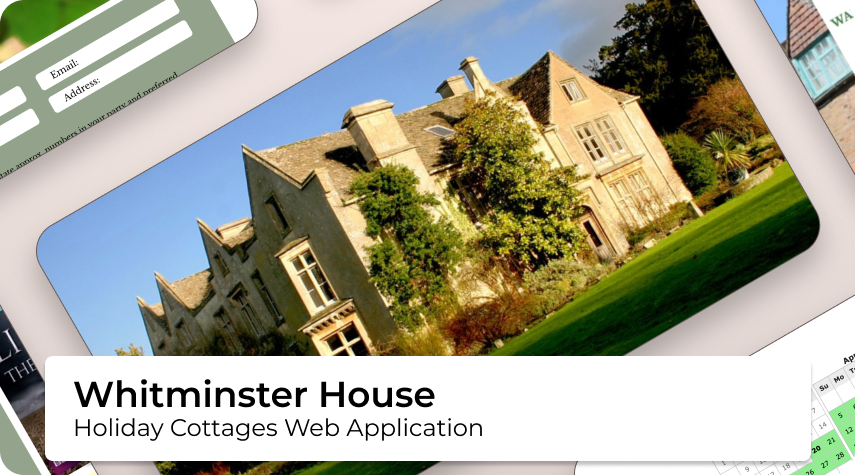
Whitminster House Holiday Cottages is a historic 11th-century manor estate in rural Gloucestershire, offering self-catered holiday cottages, wedding venues, filming locations, and group accommodation.
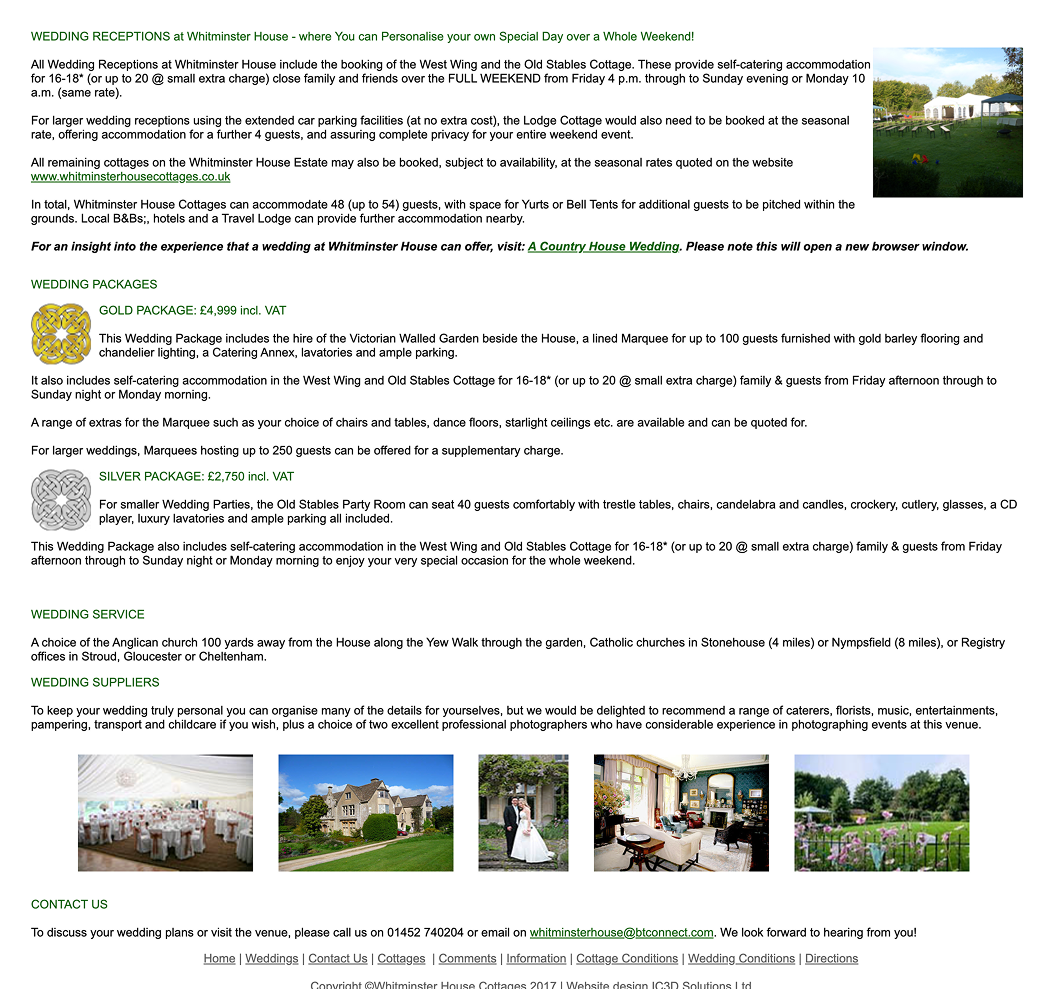
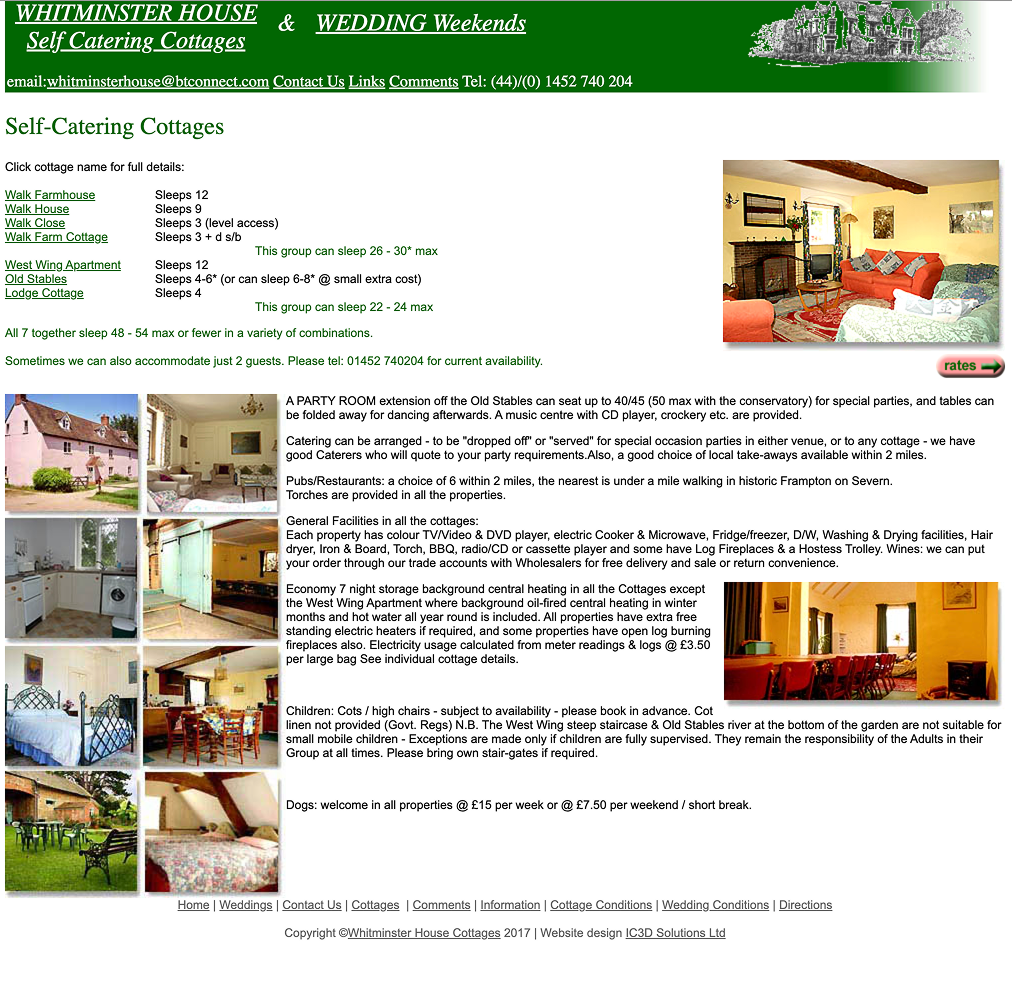
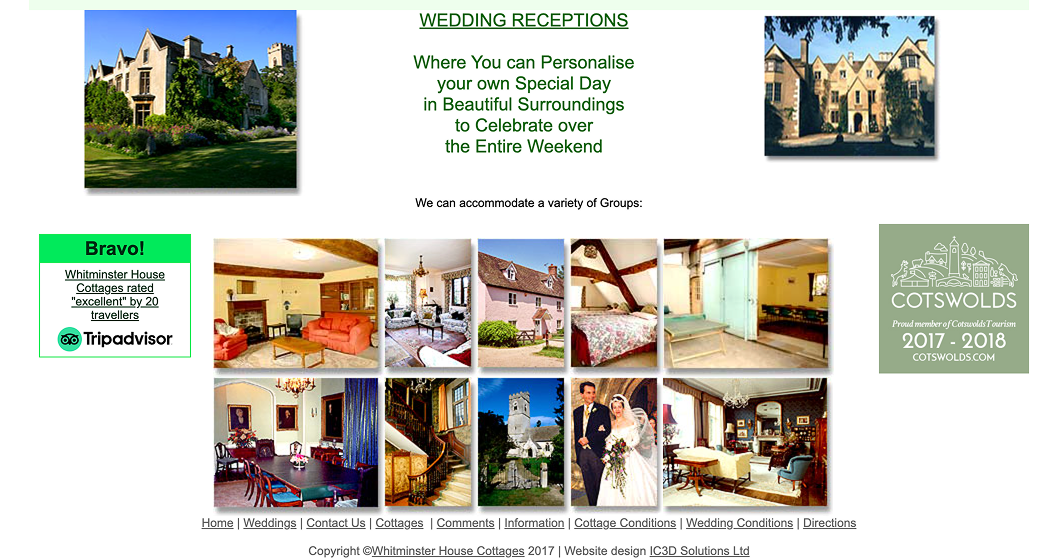
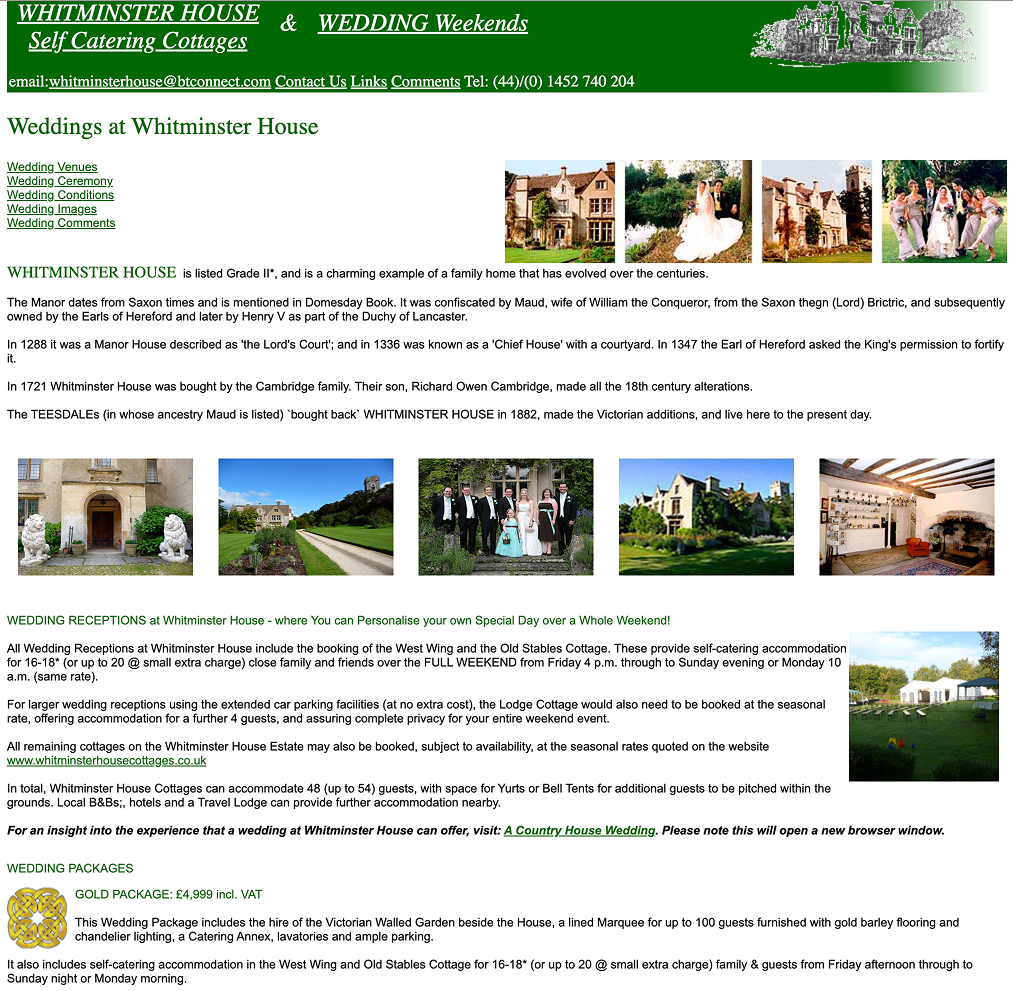
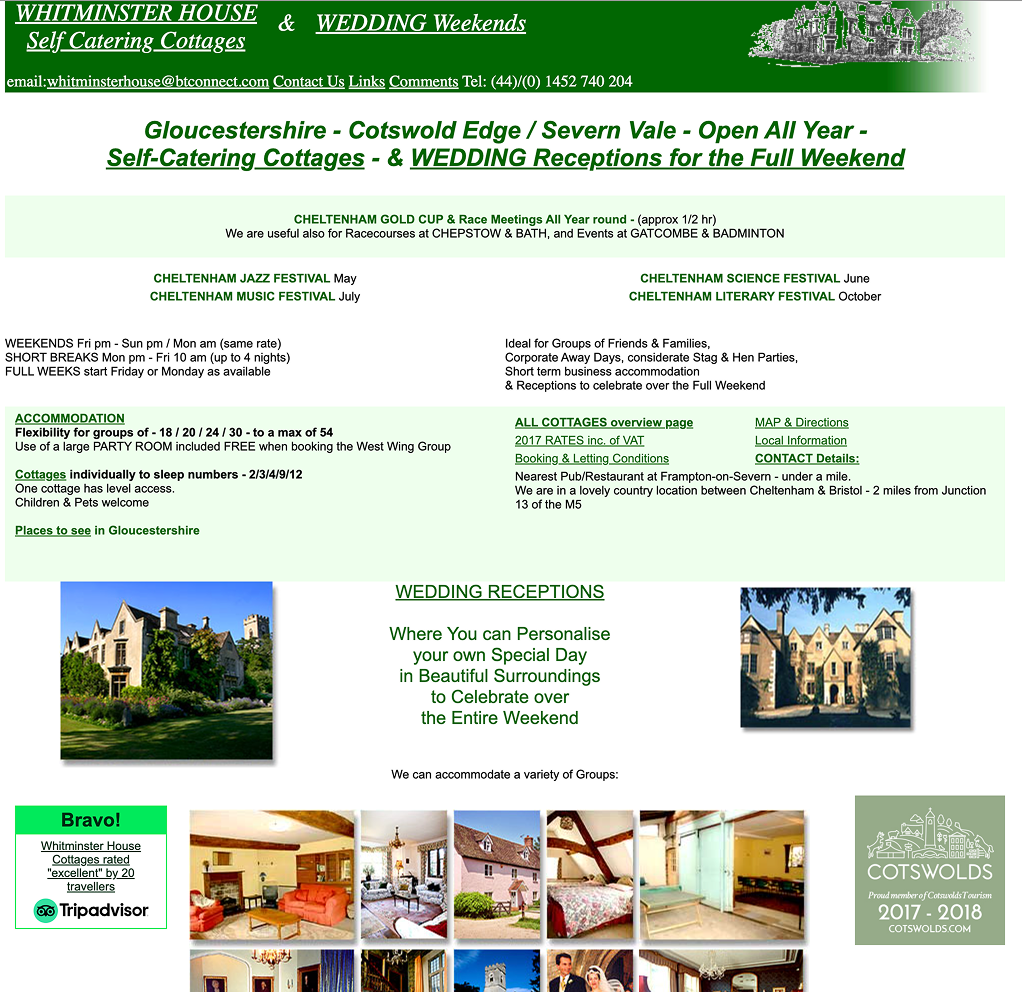
The business has a strong reputation for providing a warm, personal guest experience. However, the existing website had evolved over time and no longer fully supported modern user expectations or booking behaviours.
Although the website contained valuable information, users found it difficult to quickly locate key details such as accommodation options, pricing, and availability. This created friction in the booking journey and increased reliance on manual enquiries.
As Website Designer, I led a complete redesign to improve usability, clarity, and booking efficiency while preserving the unique character of the estate.
Purpose
Purpose & Context
The project was initiated following insights from Google Analytics and discussions with the business owner. Key findings showed:
- Over 50% of visitors did not navigate beyond the landing page
- Users who continued often spent extended time searching for information
- Many users contacted the owner directly to ask questions already available on the website
This indicated that users were interested but encountered friction when trying to complete their goals.This presented an opportunity to improve:
- User independence
- Booking efficiency
- Information clarity
- Conversion rates
- Business scalability
Objective
- Improve usability and clarity
- Simplify navigation and structure
- Improve readability and accessibility
- Increase direct online bookings
- Reduce reliance on manual enquiries
- Improve mobile usability
- Strengthen SEO visibility
- Preserve the heritage and character of the estate
My Role
My Role & Responsibilities
As the Website Designer, I was responsible for the complete end-to-end redesign and implementation.
My responsibilities included:
- Conducting competitor and comparative research
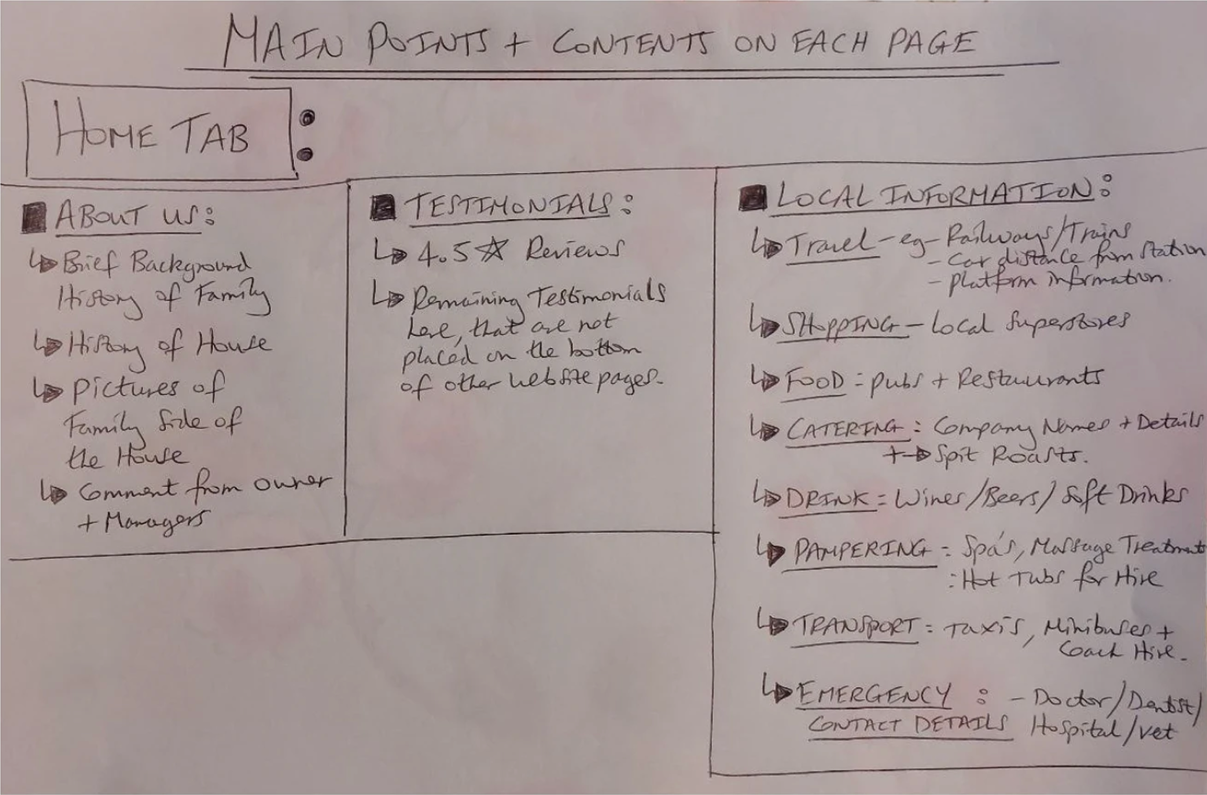
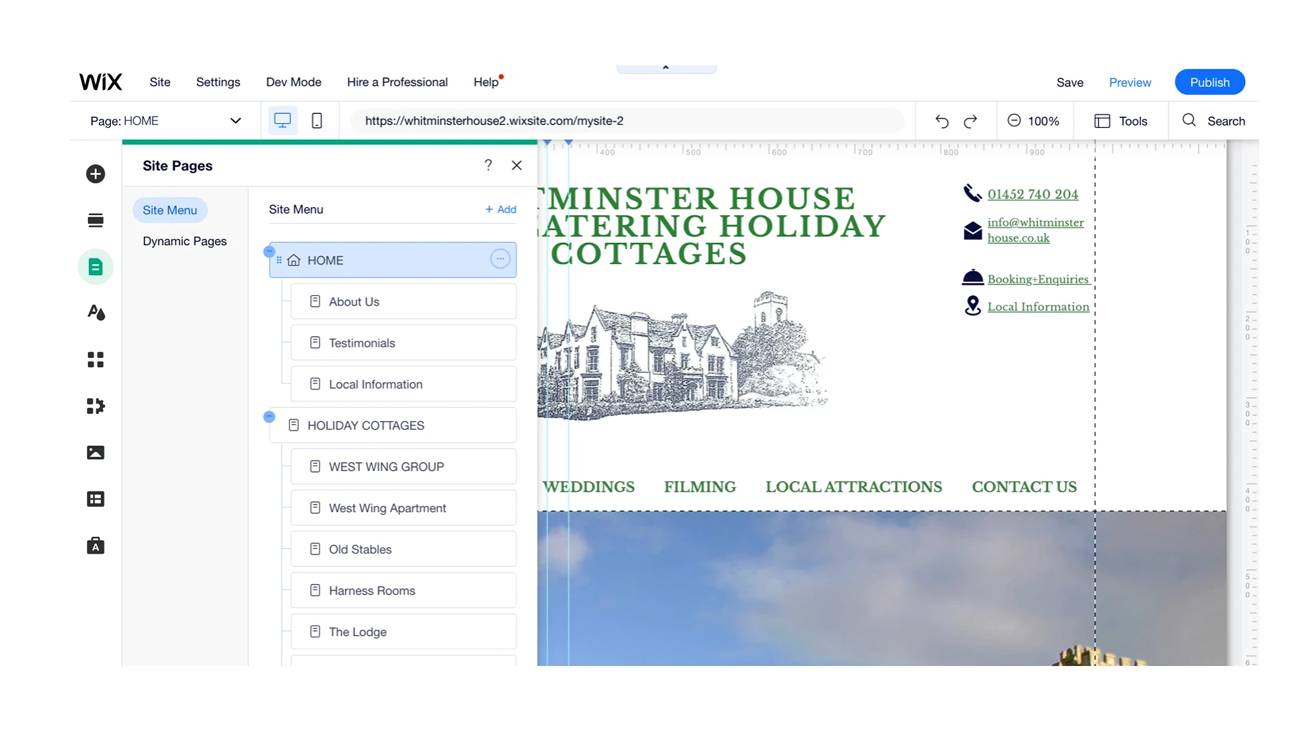
- Defining the website information architecture
- Designing the full website layout and user experience
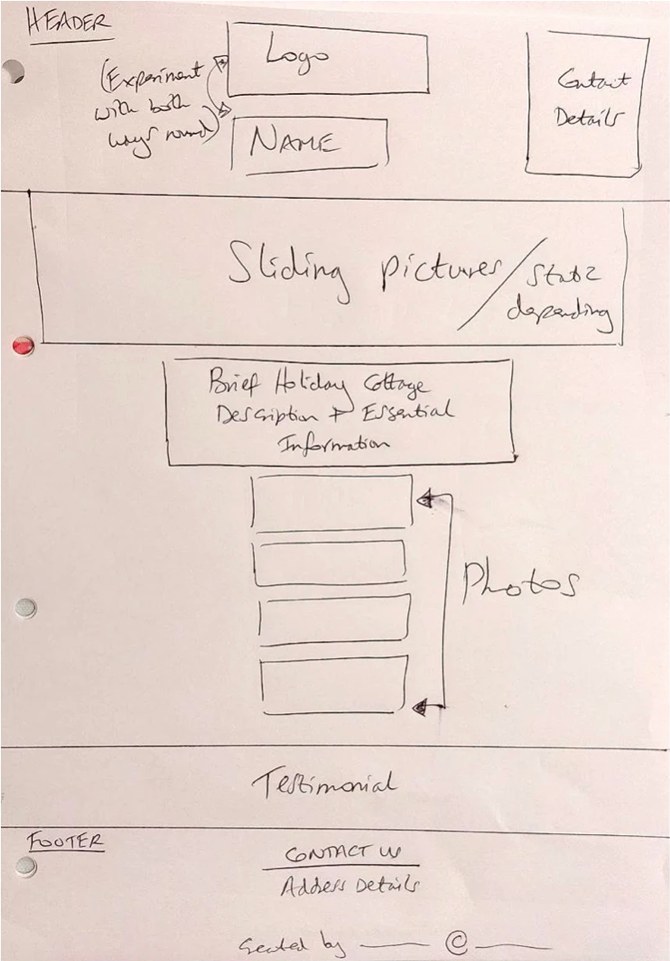
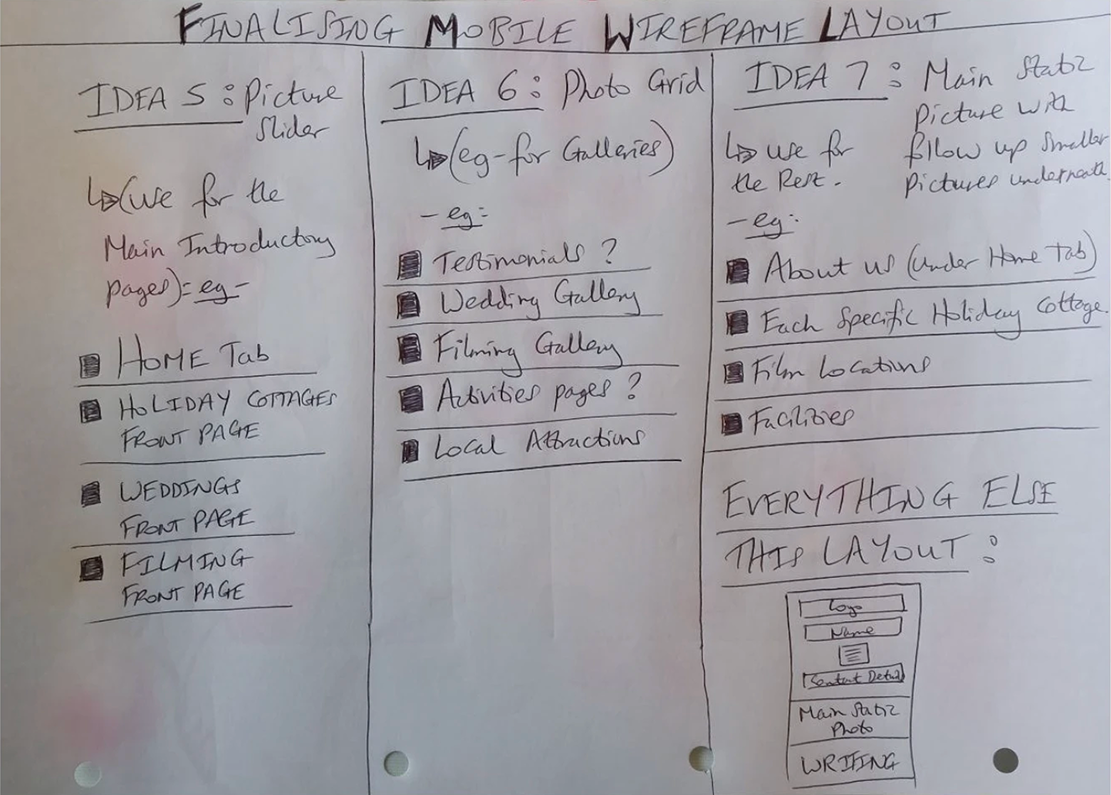
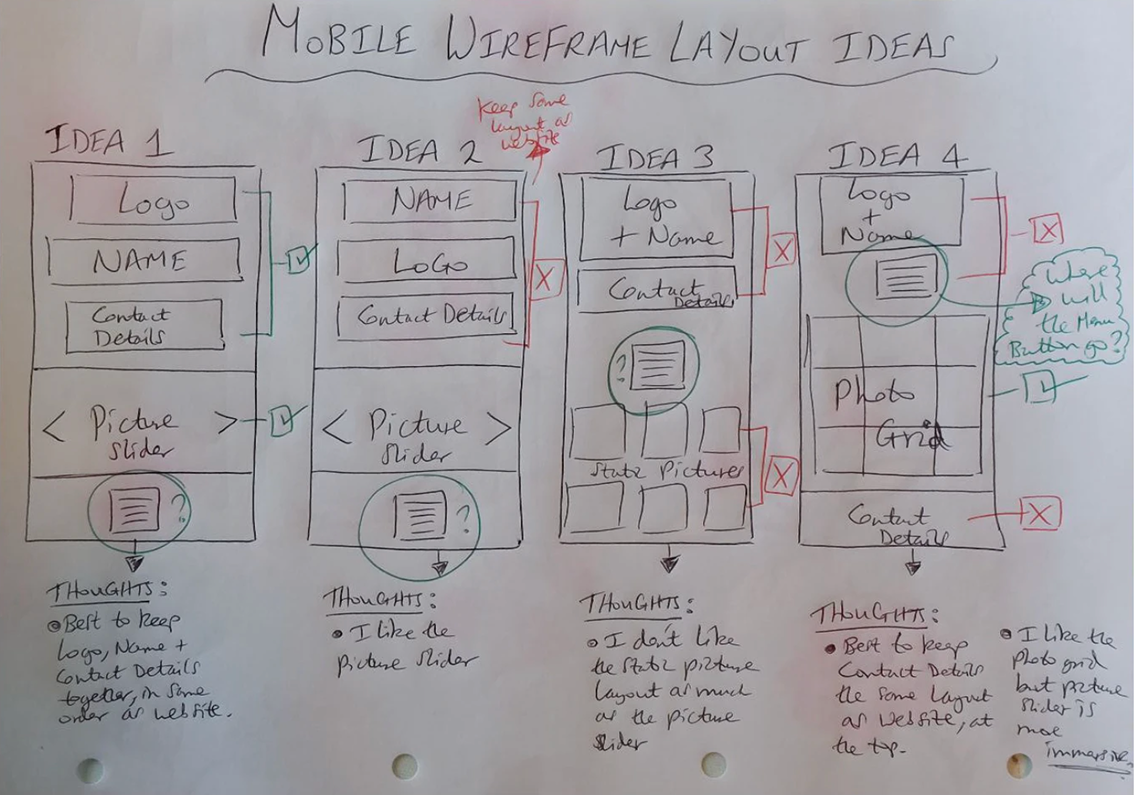
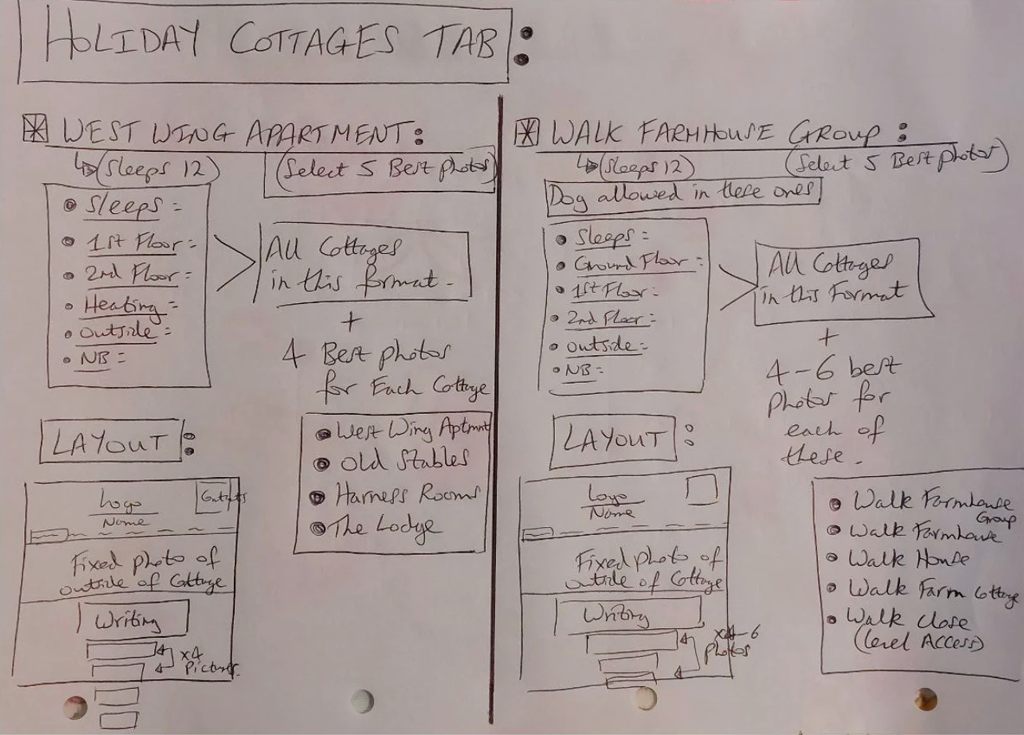
- Creating low and high-fidelity wireframes
- Designing dedicated pages for each cottage
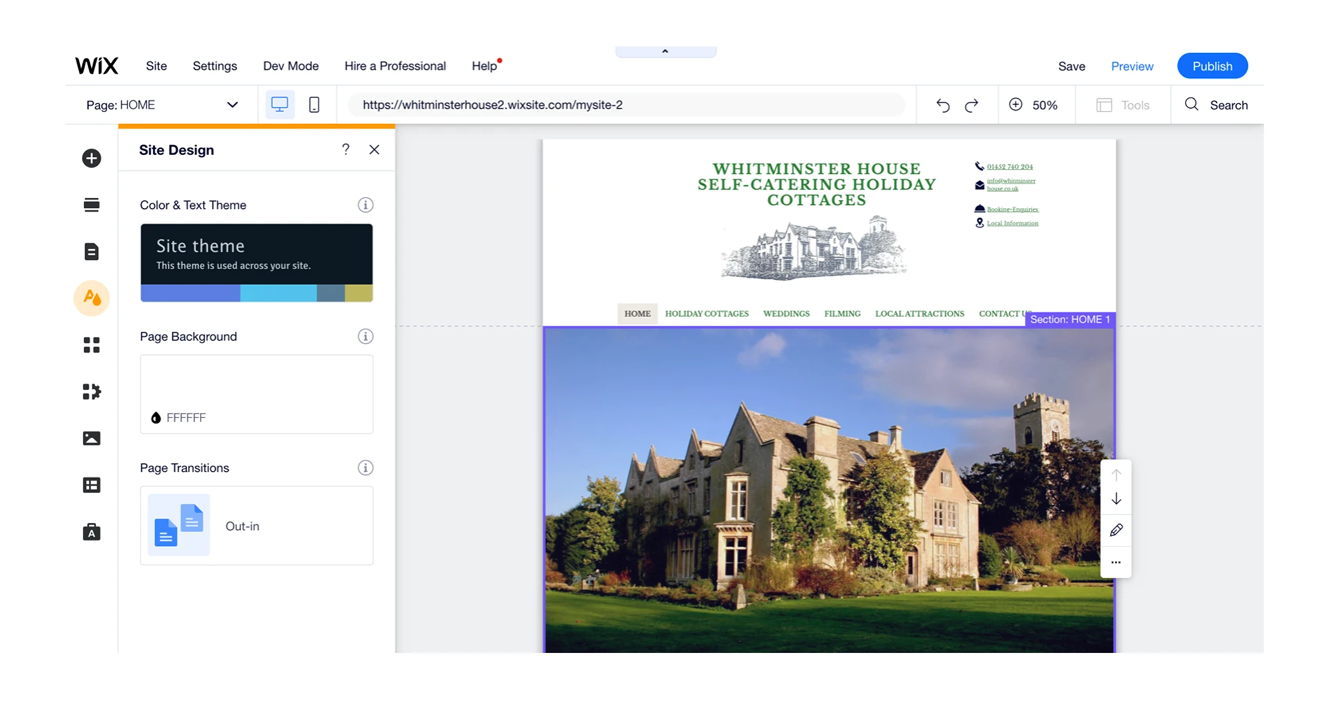
- Building and implementing the website in Wix
- Integrating and configuring a full online booking system
- Photographing the cottages using a DSLR camera
- Editing and implementing photography to improve authenticity and trust
- Selecting typography, colour palette, and layout
- Designing responsive layouts for desktop and mobile
- Conducting usability testing and iterating based on feedback
- Improving SEO structure and content organisation
This project combined UX design, visual design, content strategy, photography, and full implementation.
Problem
Problem Statement
The existing website contained rich information but presented several usability challenges.
Key issues:
- High cognitive load due to dense content
- Navigation structure that made information difficult to locate
- Limited visual hierarchy
- Friction in the booking journey
- Mobile usability limitations
- Users relied on manual enquiries
- Some users abandoned the booking process
UX Strategy
UX Strategy and Design Approach Understanding User Needs
I approached the redesign from the perspective of a potential guest.Users needed to quickly understand:
- What accommodation was available
- Pricing and availability
- Facilities and amenities
- Location and surroundings
- How to book
This informed my content structure and design priorities.
Key UX Decisions and Reasoning
I applied core UX principles to improve usability and conversion
1. Reduce cognitive load
I broke large blocks of content into smaller, scannable sections, allowing users to process information more easily.
2. Improve task efficiency
I prioritised key user actions such as:
- Viewing cottages
- Checking availability
- Making bookings
This reduced friction in the booking process.
3. Improve information hierarchy
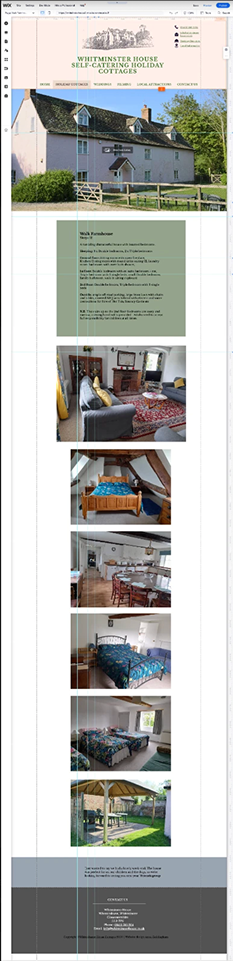
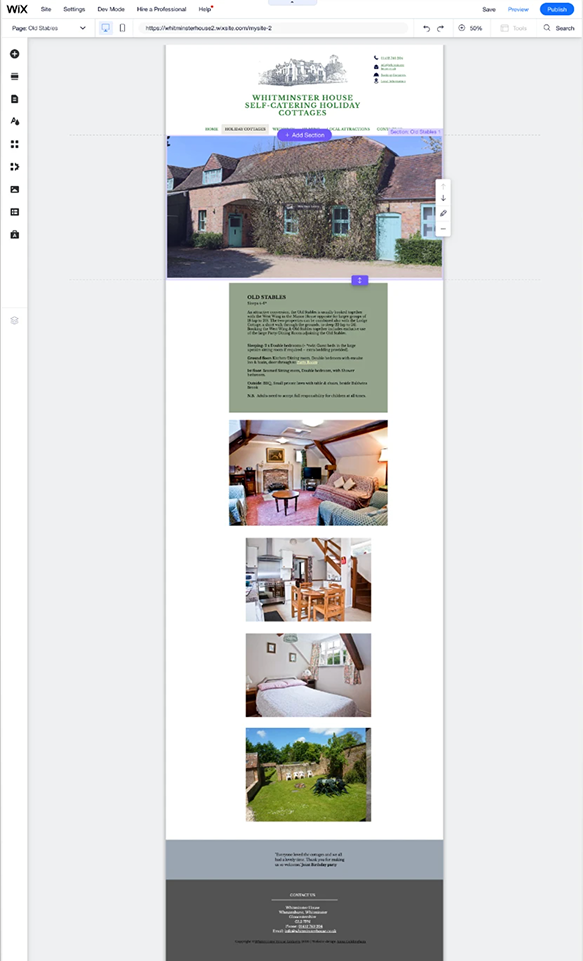
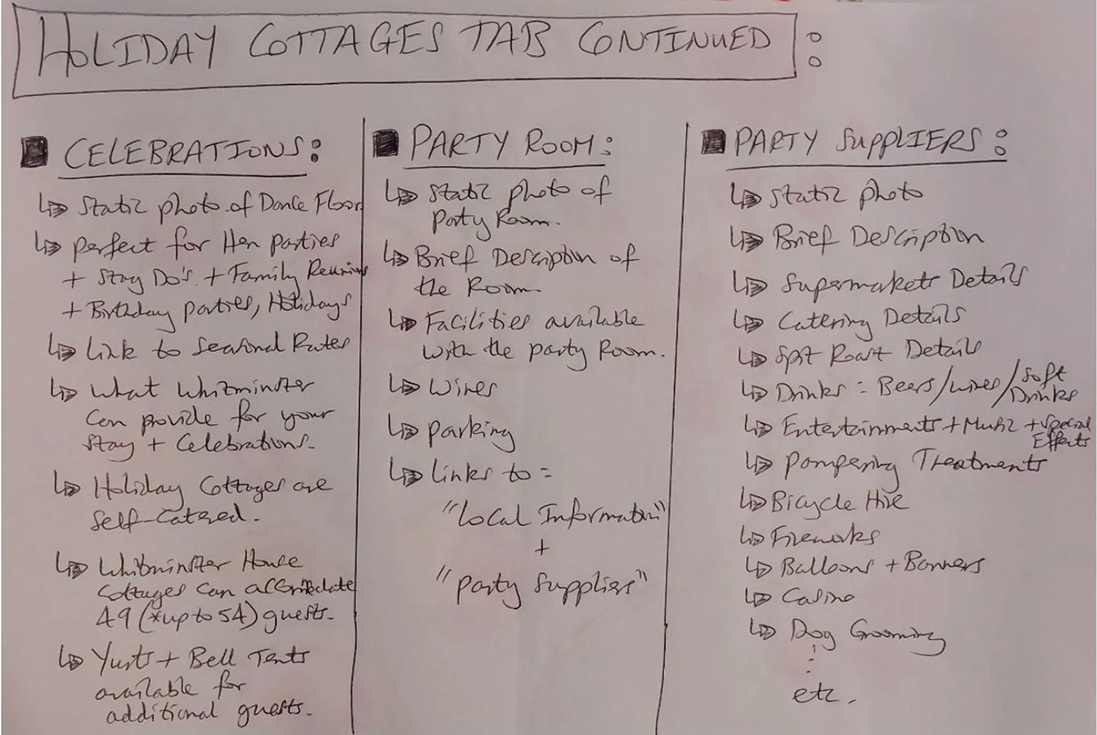
I created dedicated pages for each cottage so users could focus on one option at a time.
4. Increase trust and engagement
I photographed the cottages using a DSLR camera to provide authentic visuals rather than stock imagery.
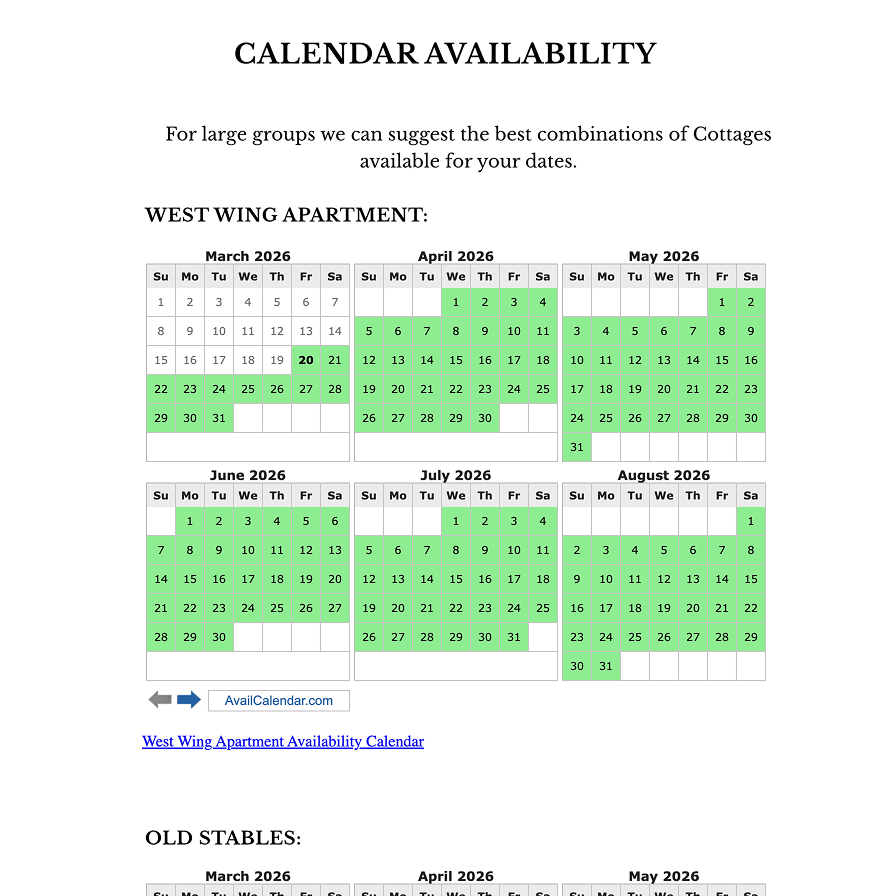
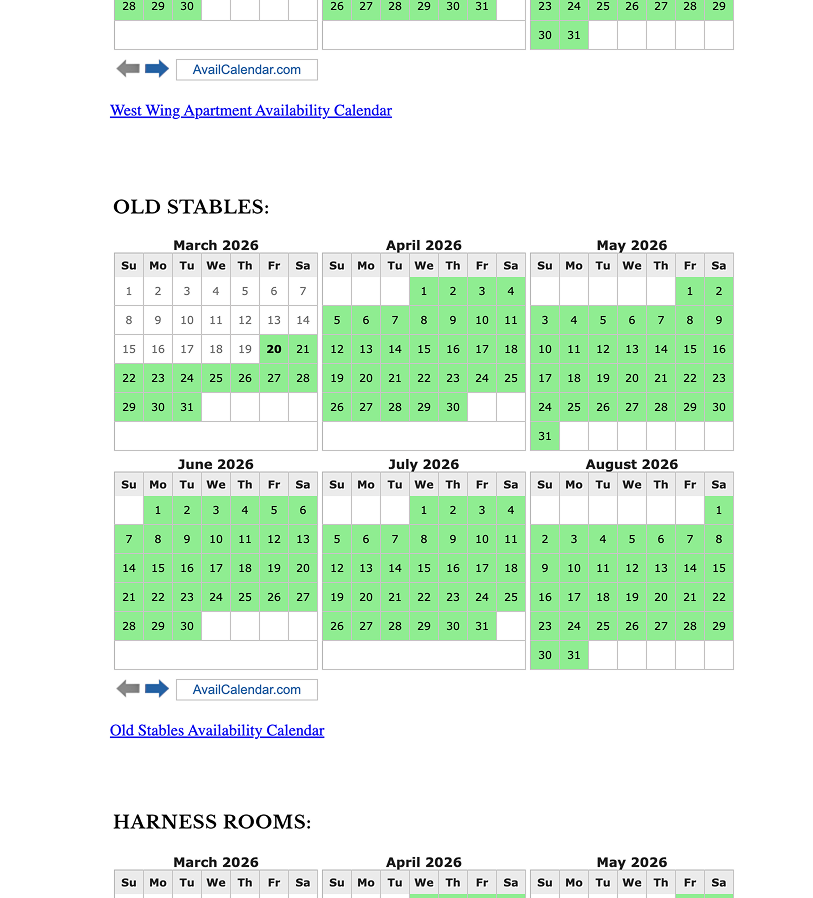
5. Enable user independence
I integrated a booking system so users could complete bookings without needing to call.
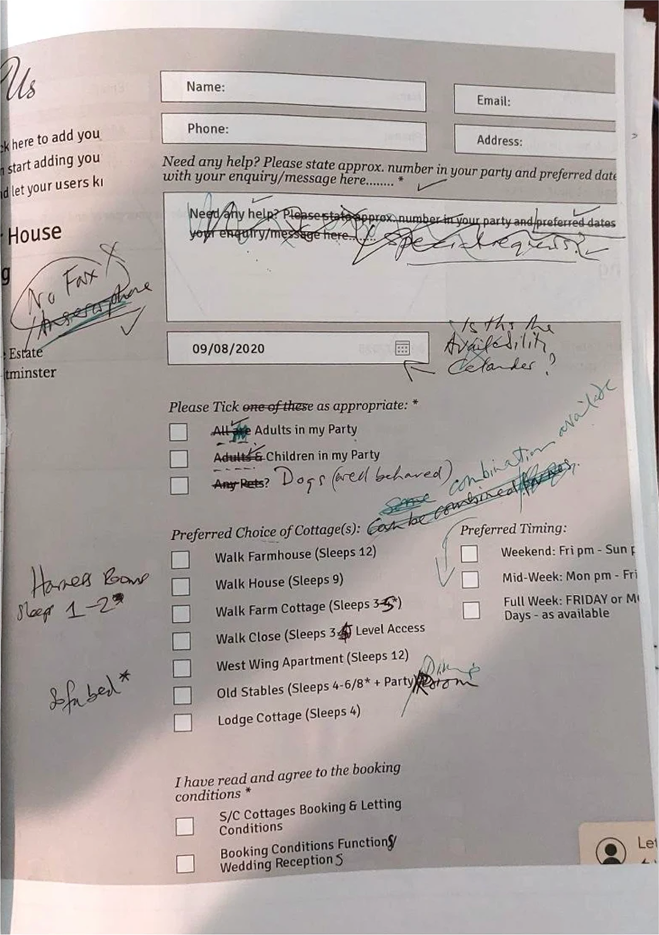
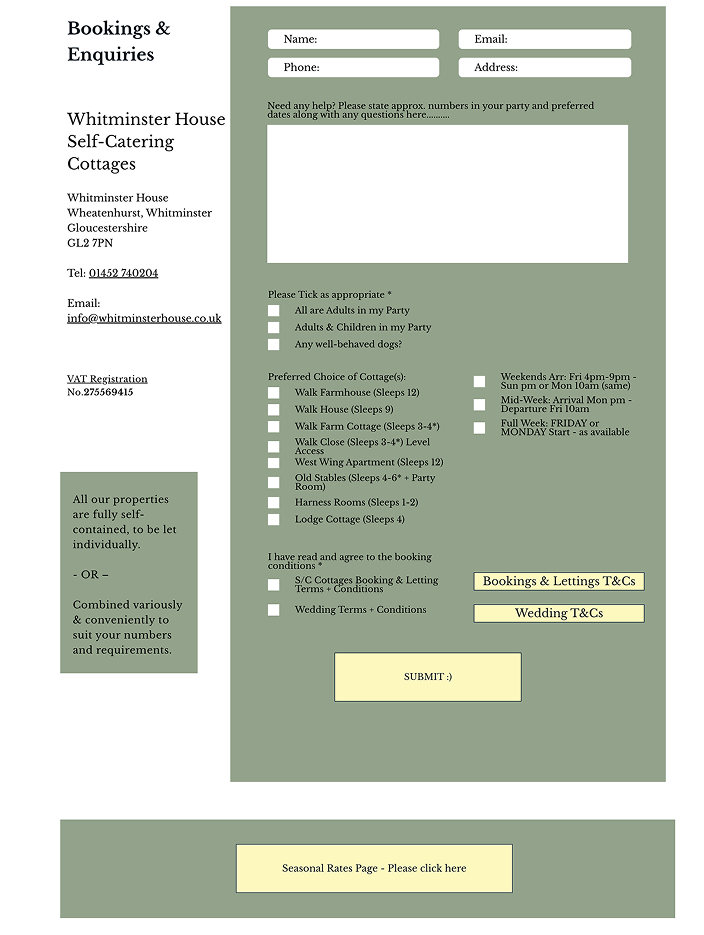
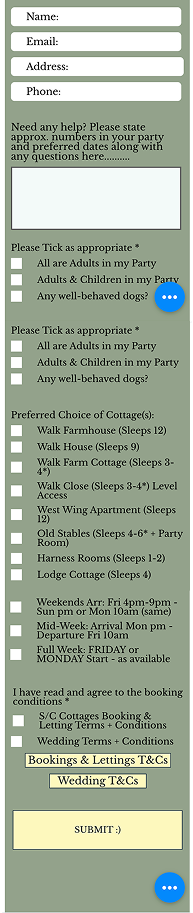
6. Improve navigation clarity
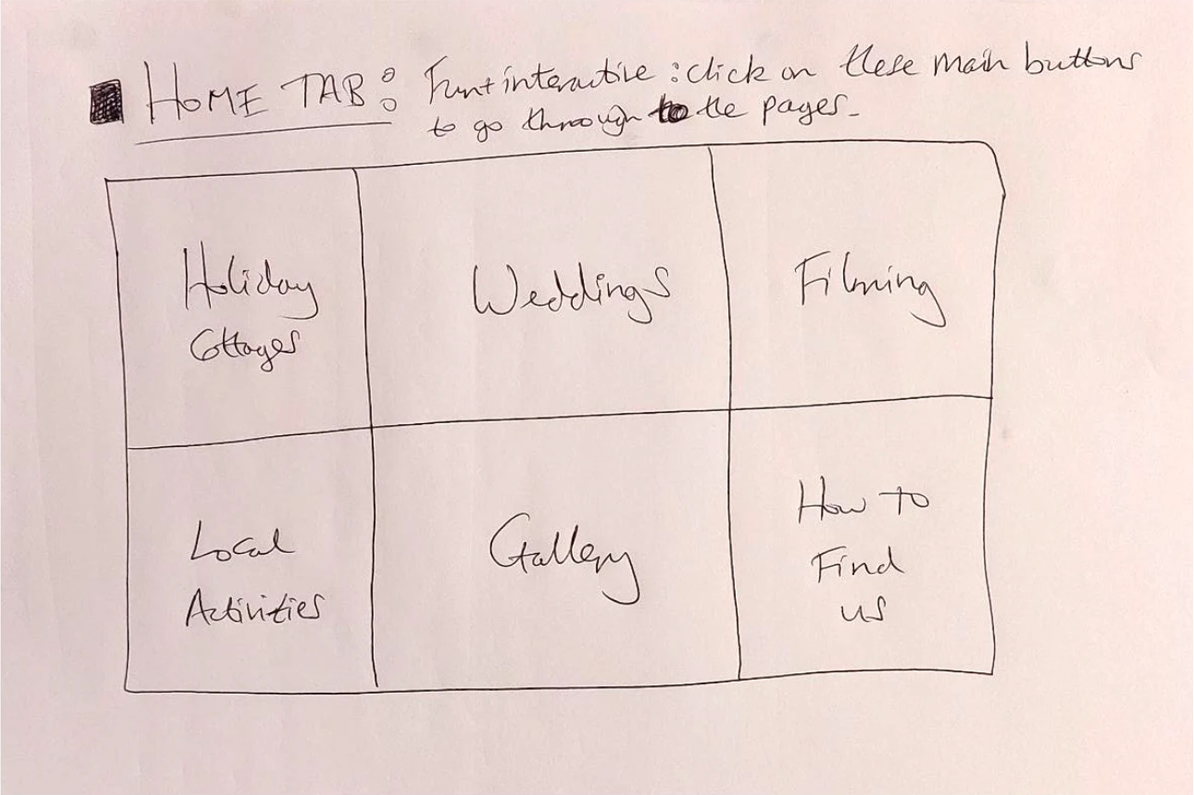
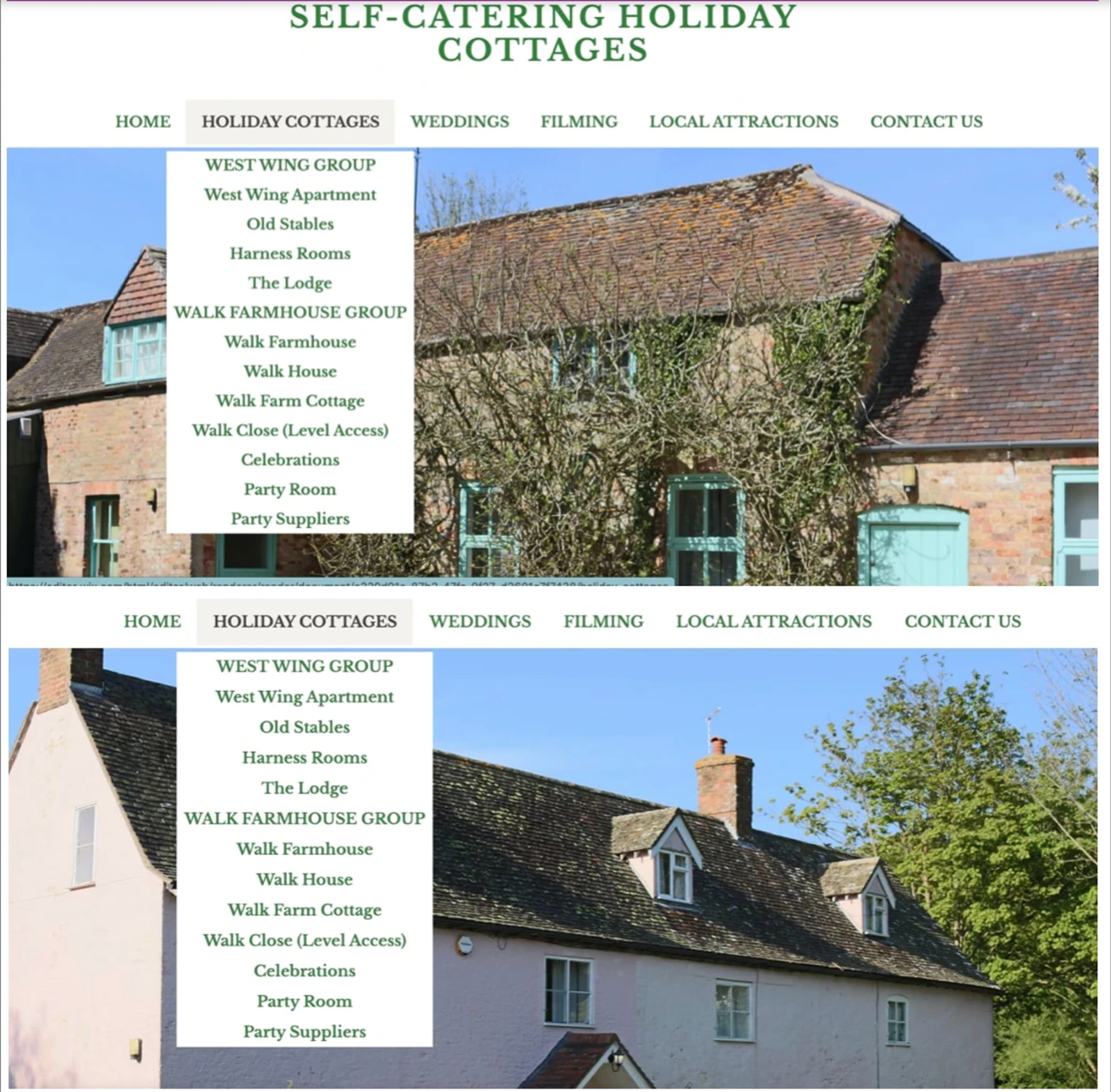
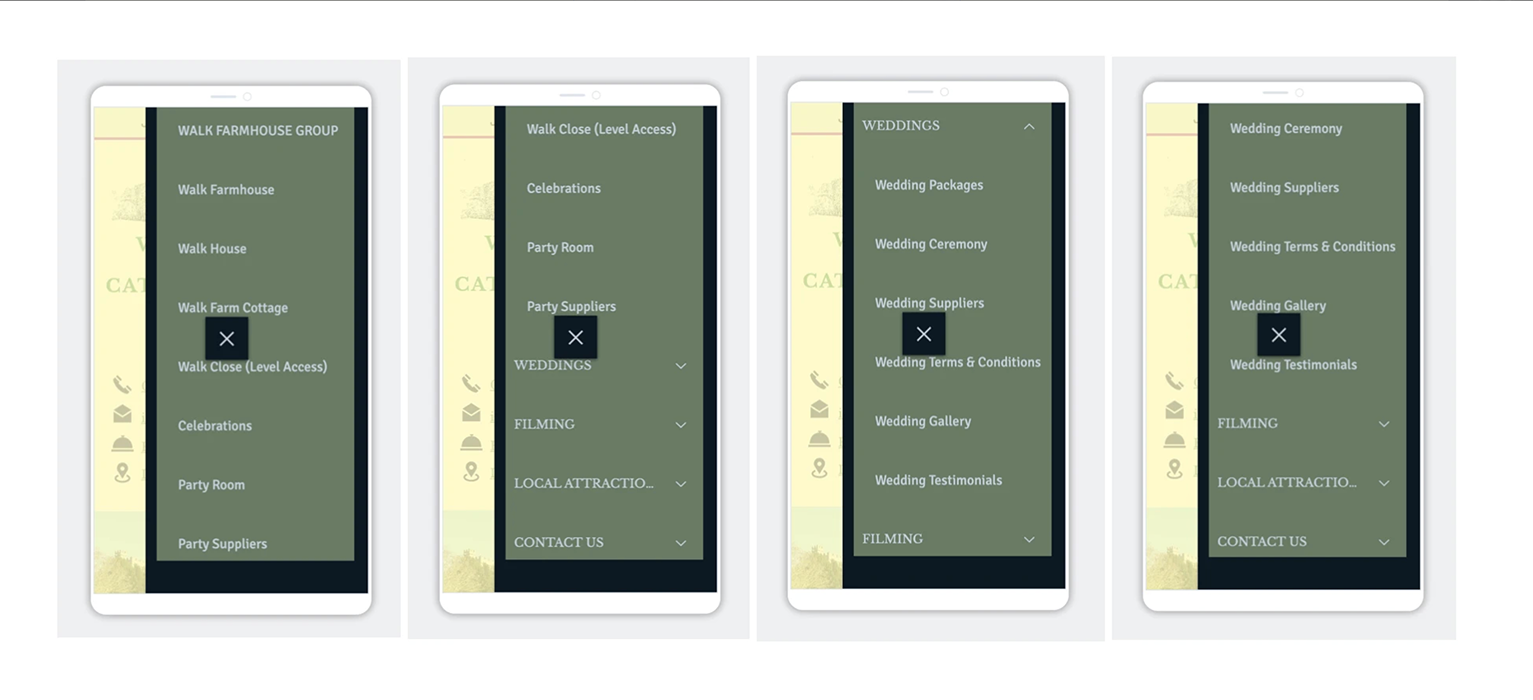
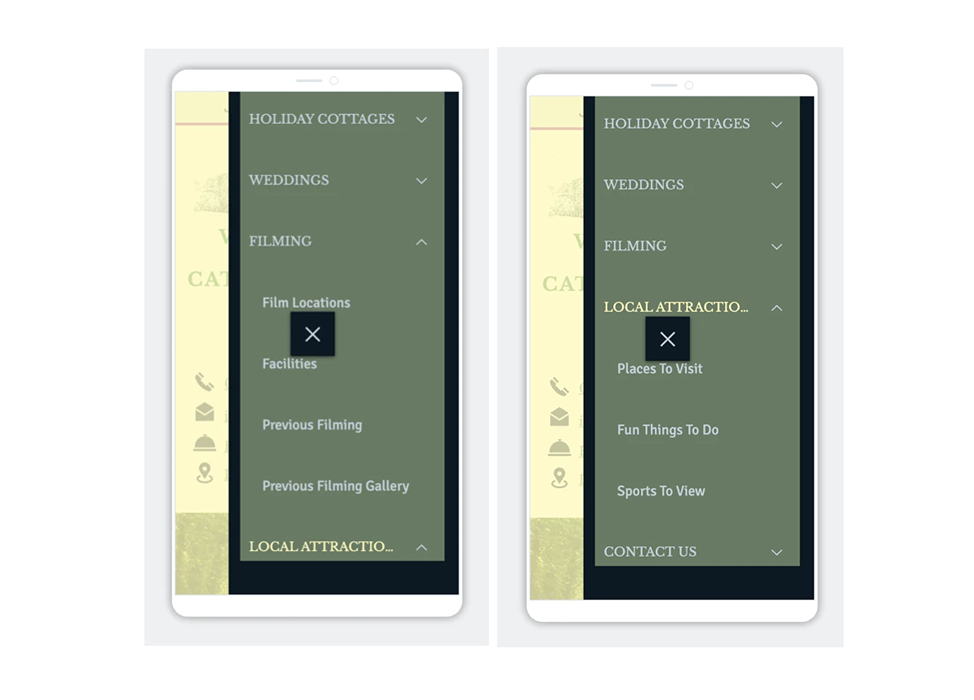
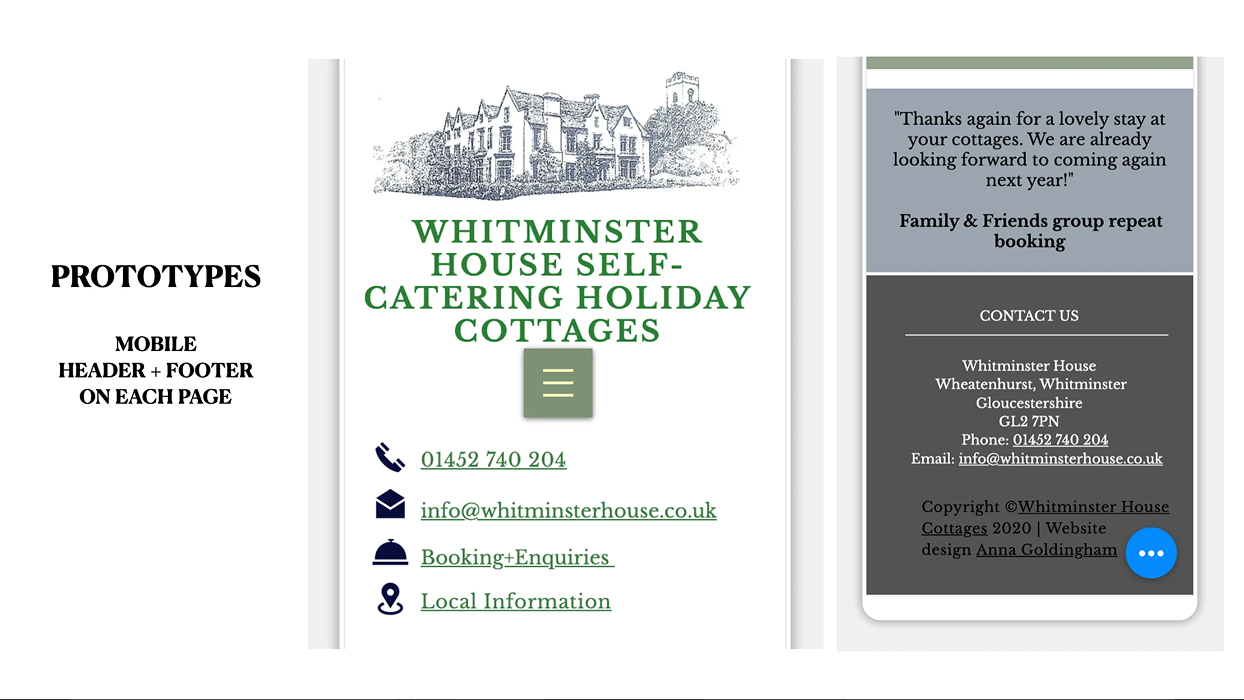
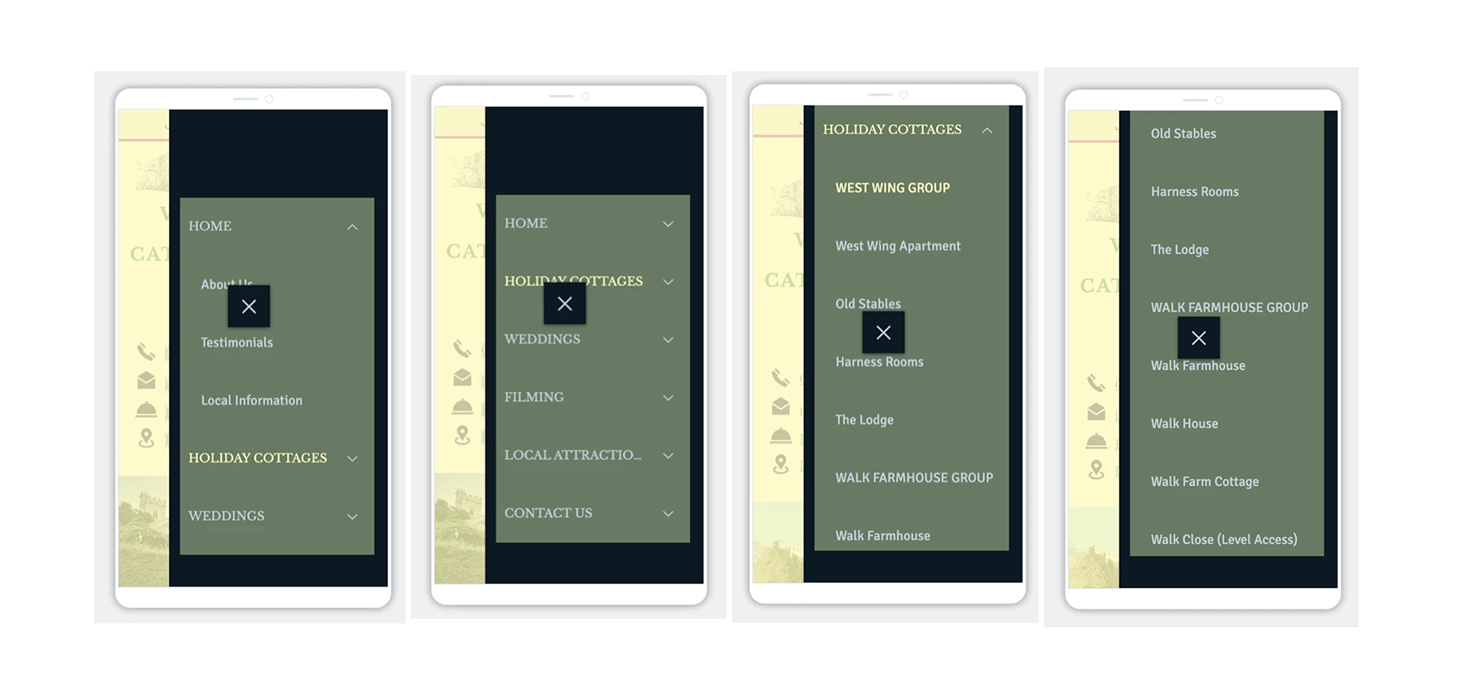
I simplified the menu structure to help users locate information faster for both website and mobile.
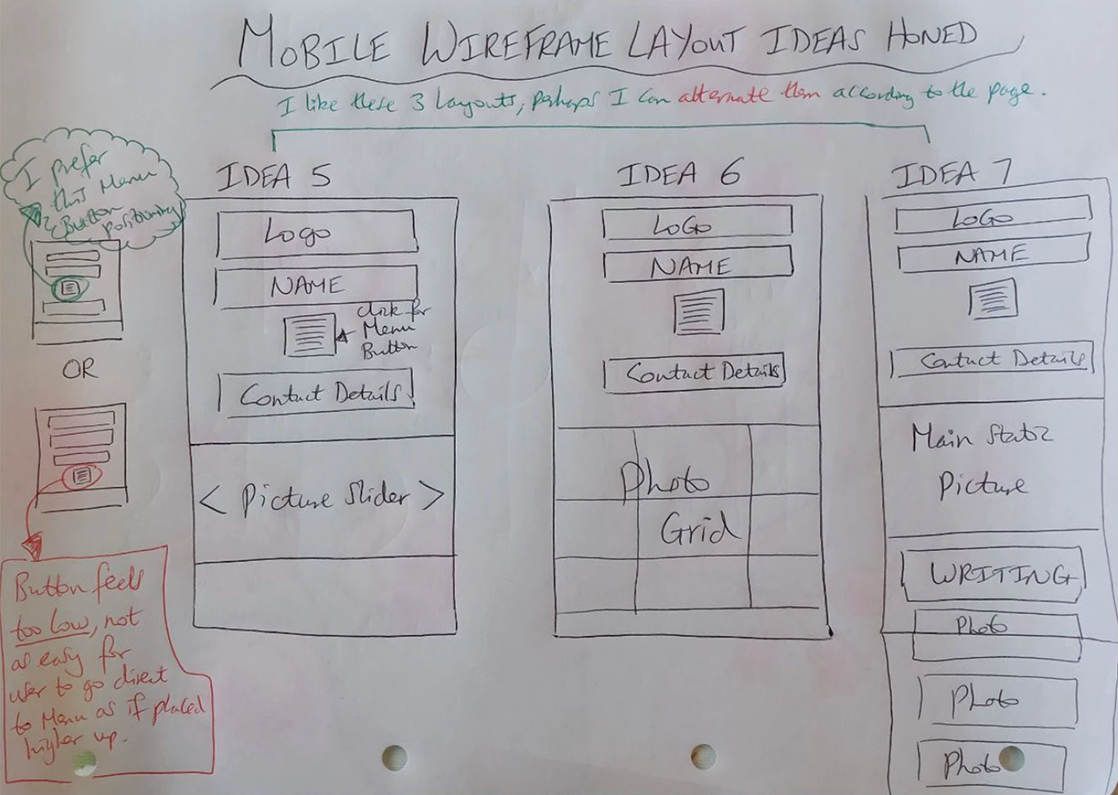
Architecture
Information Architecture
Working on BritBox strengthened my understanding of designing across
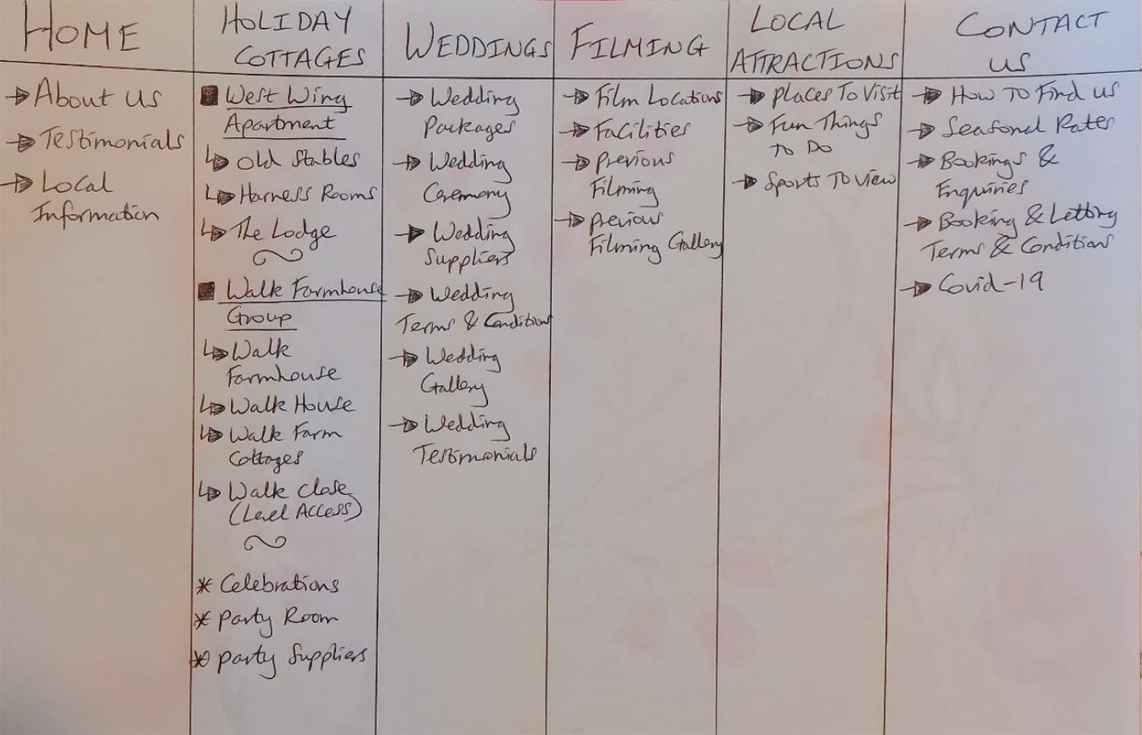
I restructured the website to improve clarity and discoverability.
Main pages:
- Home
- Holiday Cottages
- Weddings
- Filming
- Local Attractions
- Contact
Each cottage received its own dedicated page.This improved:
- Content clarity
- Decision-making
- Booking confidence
Design
Design and Implementation
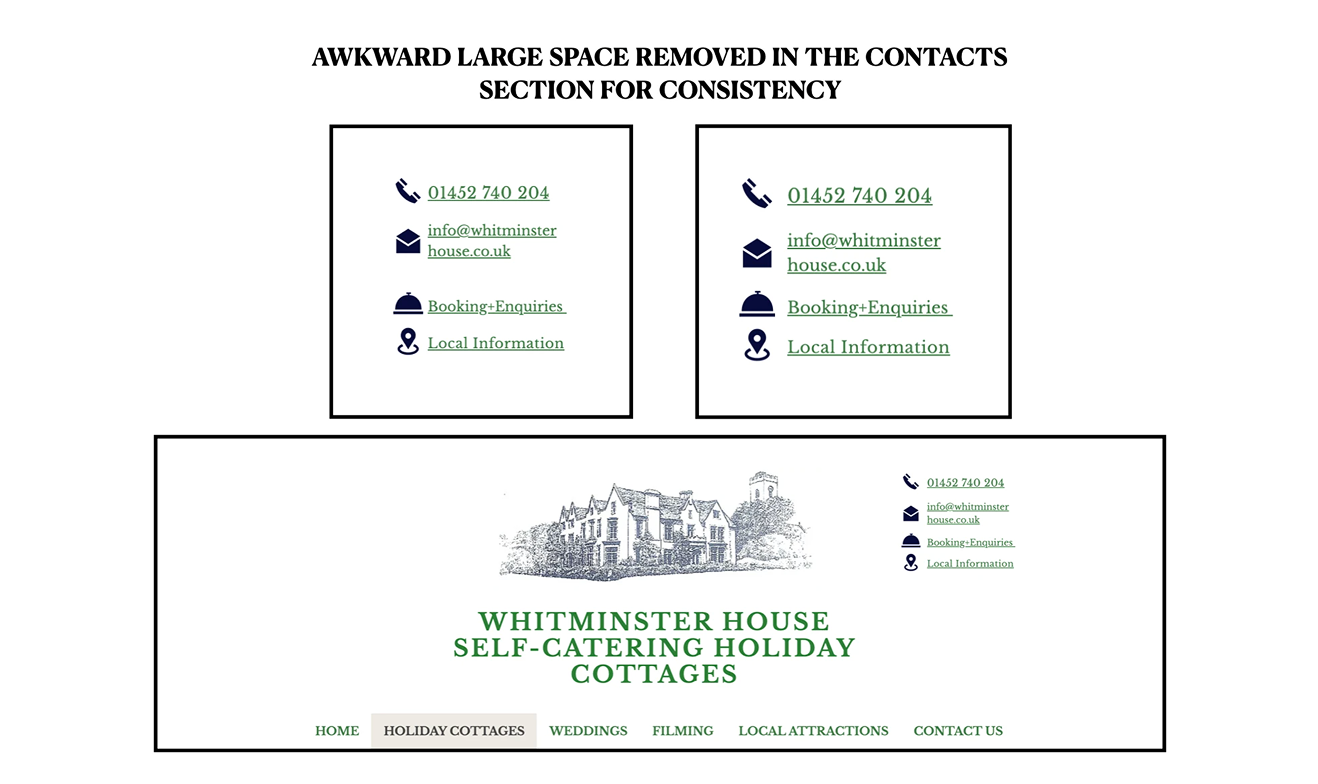
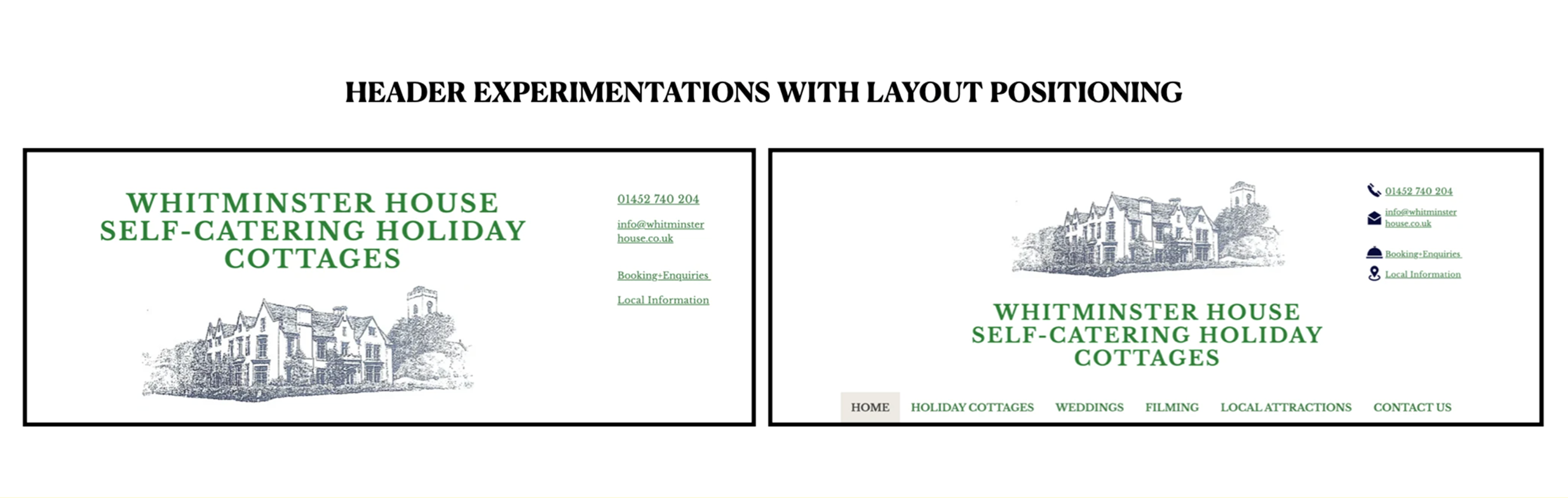
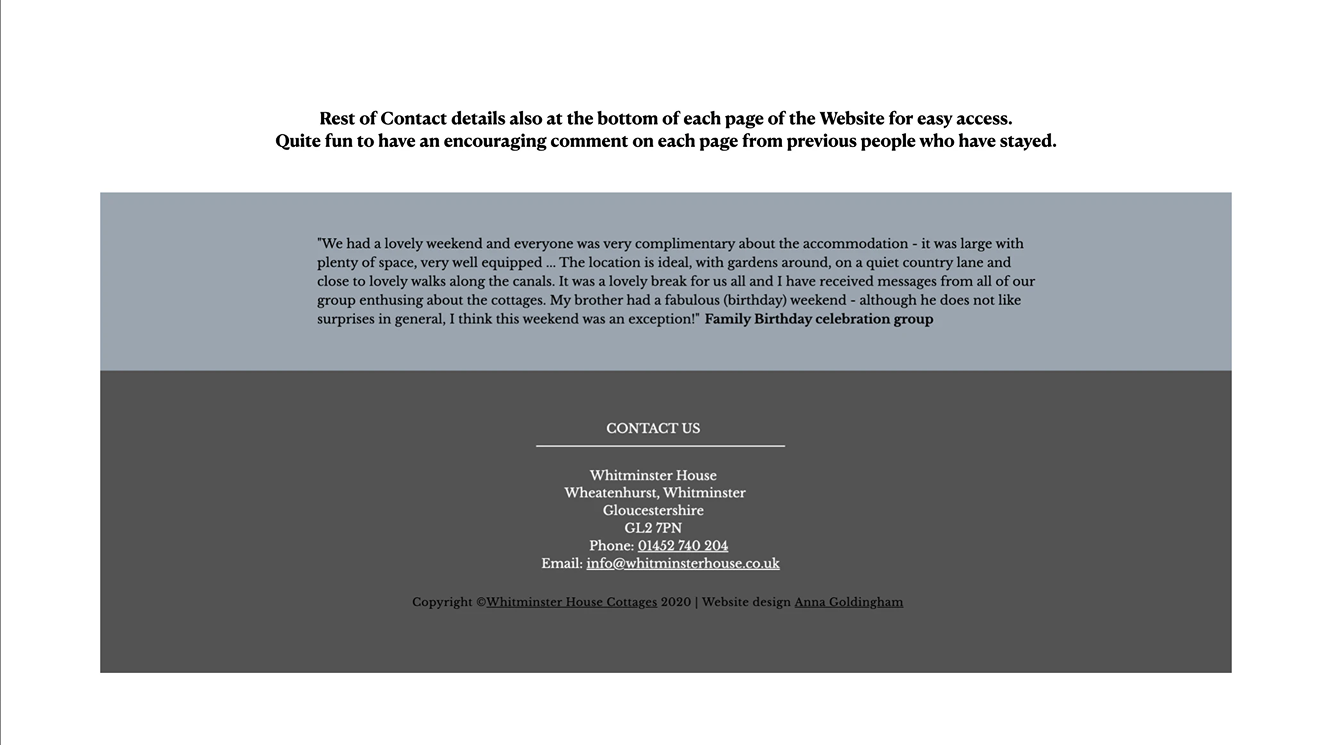
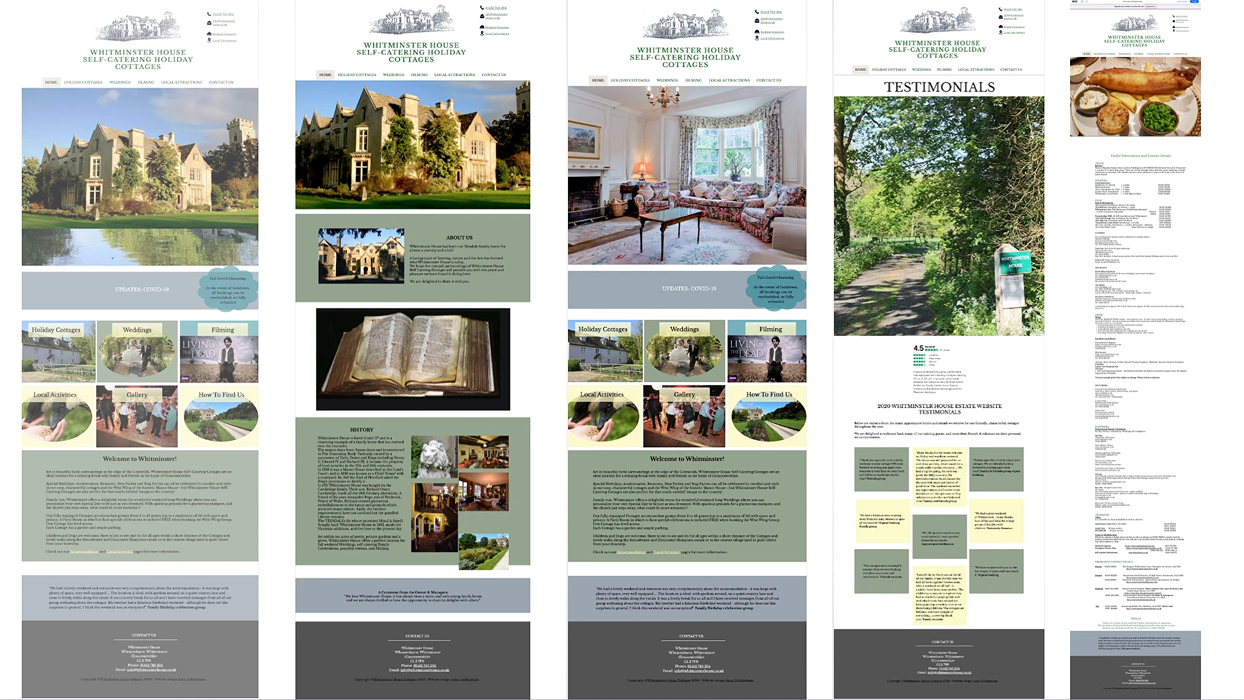
I designed and built the full website and mobile focusing on:
- Clear visual hierarchy
- Readable typography
- Logical layout
- Responsive design
- SEO optimisation
- Integrated booking system
- Authentic photography
The booking system allowed users to check availability and book directly, significantly improving efficiency.
Project End
Final Design Outcomes
The redesigned website provides:
- Clear navigation
- Improved usability
- Reduced cognitive load
- Dedicated accommodation pages
- Integrated booking functionality
- Mobile-friendly experience
- Improved SEO foundation
Measurable Impact Following launch:
- Website traffic increased by 300%
- Direct bookings increased by 35%
- Reduced reliance on phone enquiries
- Improved user independence
- Improved operational efficiency
Reflection
Reflection and UX Growth
This project strengthened my ability to design user-centred, business-focused solutions.Since completing the project, I have further developed my UX knowledge and can identify additional optimisation opportunities.
For example, I would now:
- Further simplify the landing page
- Reduce steps required to complete bookings
- Conduct structured usability testing with defined success metrics
- Work with developers using fully responsive frameworks
I have also created a redesigned landing page concept in Figma to demonstrate these improvements.
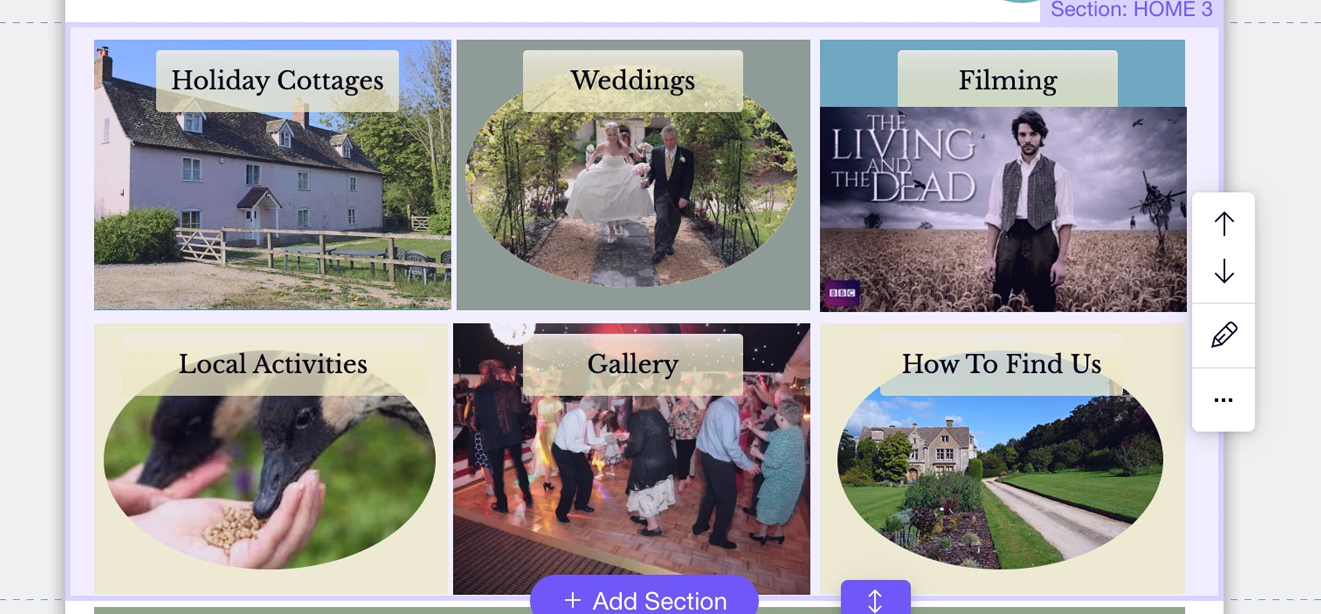
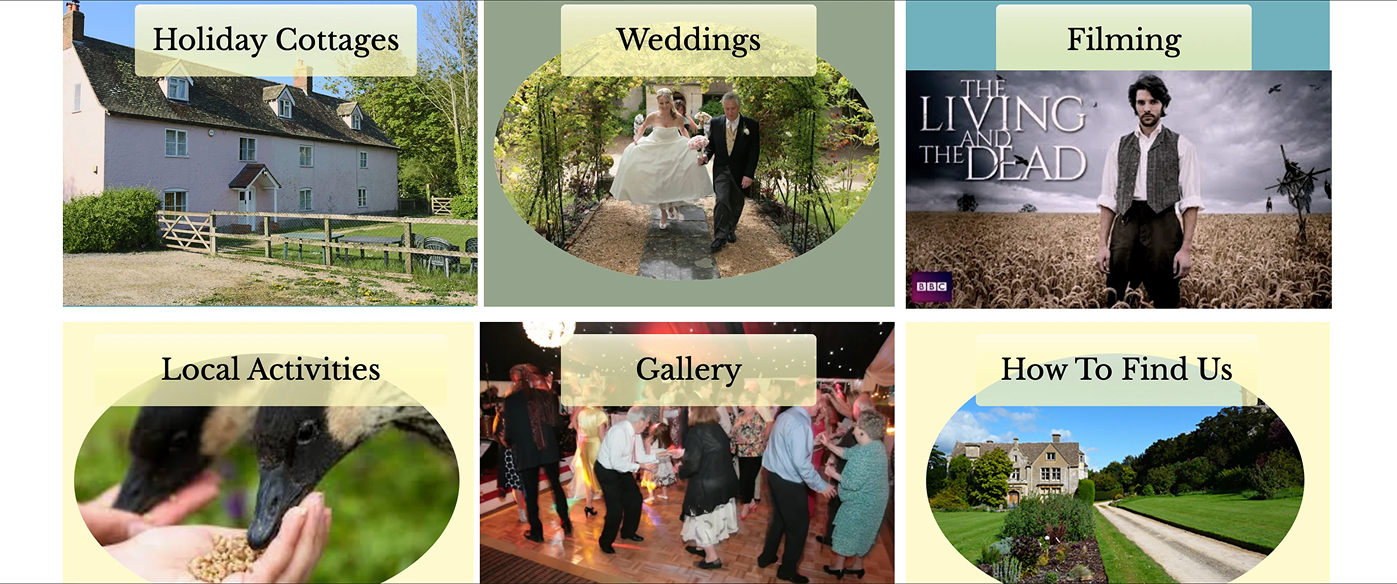
To reduce unnecessary clicks and excessive scrolling, I streamlined the content by removing outdated and redundant elements. This included eliminating the ‘COVID-19 Updates’ section, as the information is no longer relevant, and removing the six-image grid, which duplicated content already accessible via the dropdown menu.
Although the grid provided visual interest, it introduced additional scrolling without adding functional value. Usability testing indicated that users preferred accessing this information via the dropdown, finding it more direct and intuitive. By prioritising clear navigation, the design now delivers a more efficient and user-focused experience.
This reflects my commitment to continuous improvement and evidence-based design.
Key Takeaways
Key Takeaways for EmployersThis project demonstrates my ability to:
- Design complete digital products end-to-end
- Solve real user and business problems
- Improve conversion through UX design
- Integrate functional booking systems
- Apply UX principles to real-world scenarios
- Use research and analytics to inform decisions
- Deliver measurable business impact
- Reflect, learn, and continuously improve